The Elizabeth Casson Trust is launching its second cohort of the Demystifying Boards and Trusteeship Development Programme, following a very successful pilot run of this programme last year. This practical, confidence-building programme is designed exclusively for HCPC-registered occupational therapists interested in Trustee or Non-Executive Director roles in the charity, health, and social sectors, but aren’t quite ready to apply for those roles.
Governance concerns system-level stewardship: horizon scanning for strategic risk, ensuring the organisation remains solvent and mission-focused, and demanding evidence of impact. It means holding the line on a charity’s ultimate purpose so front-line services remain within agreed objectives and are inclusive and truly person-centred.
The parallels with occupational therapy practice are clear. Systemic thinking, a focus on accessibility, and commitment to the service user are not just clinical tools; they are cornerstones of good governance. The Elizabeth Casson Trust aims to help occupational therapists bring these skills into the boardroom through this programme.
Trustee boards often include professionals from finance and law backgrounds. While these individuals bring vital skills, occupational therapists also contribute valuable and underrepresented perspectives. The Trust want OTs to challenge the perception that they are ‘not qualified’ for these strategic roles.

Participants will follow a carefully scaffolded curriculum that shifts occupational therapists’ thinking from “Do I belong here?” to “How can I contribute best?”
On completing the programme, participants will be able to:
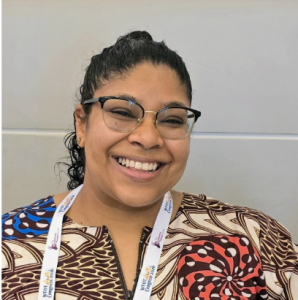
Annymn participated in last year’s cohort and shares feedback on how the course helped with continued professional development:
I signed up for the Demystifying Boards and Trusteeship course because I wanted to feel more confident speaking up in senior spaces and to get a better sense of what being a trustee actually involves. The course really delivered on both fronts.
It gave me a much clearer picture of what the role entails, but just as importantly, it gave me time to reflect on my own skills and experiences. I realised I actually have a lot of transferable strengths that I hadn’t fully appreciated before. It also made me challenge some of the assumptions I’d been carrying about what I can and can’t do. That shift alone has been huge for me.
One of the biggest impacts has been on my confidence. The course helped me push back against the imposter syndrome that has held me back in the past. I’m now more willing to take risks and step into spaces I used to think I wasn’t “qualified” for.
I’ve already taken some concrete steps as a result:
Overall, the course has been genuinely eye-opening. It’s helped me see new possibilities for how I can contribute to the profession and even to my wider community. I’m coming away from it feeling more capable, more confident, and much more open to exploring roles I wouldn’t have considered before.
The sessions will take place from 09.30 – 13:30 on the following dates:
To apply, you need to:
Applications are open until 26th June 2026
Formal offers of places will be communicated by Friday, 10th July 2026
If you have any questions about this programme, please email [email protected]
If you have ever felt that the decisions shaping our health and social care systems were missing the human perspective at their core, this is your invitation to take that seat. It’s time to move from wondering whether you belong on a board to wondering how you’ll share your perspective when you get there.



